Aluminum Circle Plate for Cookware: The Complete Buyer’s Guide
Aluminum circle plates for cookware are the foundation of modern cookware manufacturing. Factories worldwide use these discs to produce frying pans, sauce pots, woks, and pressure cookers. If you are sourcing raw materials for cookware production or looking for finished aluminum circle pans, this guide covers everything you need to know.
What Is an Aluminum Circle Plate for Cookware?
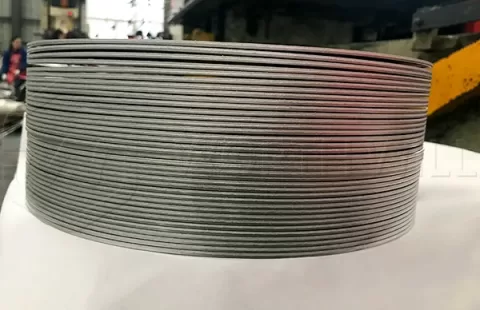
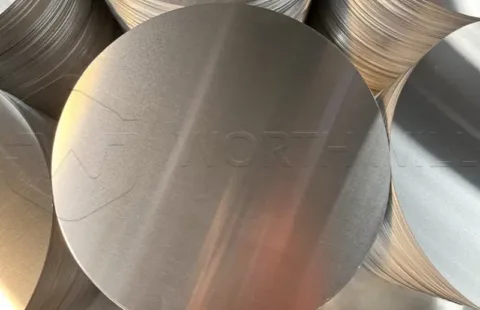
An aluminum circle plate for cookware is a flat, round disc cut or rolled from aluminum sheet stock. Manufacturers stamp or spin these discs into finished cookware shapes. The blank disc must meet strict flatness, thickness tolerance, and alloy purity requirements to survive deep-draw forming without cracking or wrinkling.
These blanks go by several names in the trade: aluminum circle plates, aluminum discs, aluminum blanks, or cookware slugs. All refer to the same product.
Key Technical Specifications
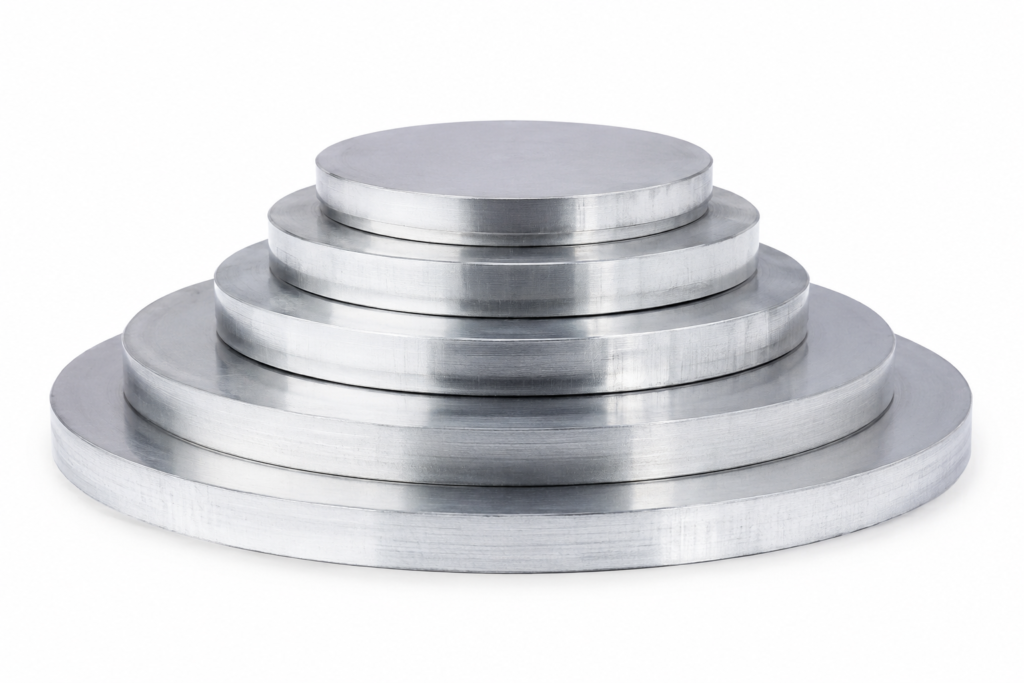
Choosing the right aluminum circle plate for cookware starts with understanding the core parameters. The table below covers the most common specifications buyers request.
| Parameter | Typical Range | Notes |
|---|---|---|
| Alloy | 1050, 1060, 1100, 3003 | 1050/1060 for standard cookware; 3003 for hard-anodized |
| Temper | O (annealed), H14, H24 | O temper preferred for deep-draw forming |
| Diameter | 100 mm – 650 mm | Custom diameters available |
| Thickness | 0.5 mm – 6.0 mm | 1.5 mm – 4.0 mm most common for pans |
| Surface Finish | Mill finish, bright, polished | Polished for non-stick coating adhesion |
| Flatness Tolerance | ≤ 1.0 mm per 1000 mm | Critical for automated stamping lines |
| Edge Condition | Sheared, deburred, milled | Deburred edge required for anodizing |
| Tensile Strength (1050-O) | 65 – 95 MPa | — |
| Elongation (1050-O) | ≥ 20% | Ensures formability in deep drawing |
| Weight per Piece (example: Ø400 mm × 3 mm) | ~1.02 kg | Calculated: π × r² × t × density |
Common Alloys and Their Cookware Applications
1050 and 1060 Aluminum Circle Plates
These are the most widely used alloys for cookware blanks. Both contain 99.5% or 99.6% minimum aluminum. They offer excellent thermal conductivity (~222 W/m·K), good corrosion resistance, and very high elongation values that make deep-draw forming smooth and reliable. Most standard non-stick frying pans and sauce pots start as 1050 or 1060 aluminum circle plates.
1100 Aluminum Circle Plates
The 1100 alloy contains 99.0% minimum aluminum. It costs slightly less than 1050/1060 and works well for lighter cookware applications such as thin baking pans and small sauce pans. Thermal conductivity is comparable, though strength is marginally lower.
3003 Aluminum Circle Plates
The 3003 alloy adds 1.0%–1.5% manganese for better strength and harder anodizing capability. Cookware manufacturers prefer 3003 discs for hard-anodized frying pans and professional-grade pots. The anodized surface is durable, scratch-resistant, and provides a better base for PTFE non-stick coatings.
Dimensional Specifications by Cookware Type
Different finished cookware items require different aluminum circle plate dimensions. The table below is a practical reference for procurement teams.
| Finished Cookware | Disc Diameter (mm) | Thickness (mm) | Recommended Alloy |
|---|---|---|---|
| 20 cm frying pan | 260 – 280 | 1.8 – 2.5 | 1050-O / 1060-O |
| 24 cm frying pan | 310 – 330 | 2.0 – 3.0 | 1050-O / 3003-O |
| 28 cm frying pan | 360 – 380 | 2.5 – 3.5 | 1060-O / 3003-O |
| 24 cm sauce pot | 290 – 310 | 2.5 – 3.5 | 1050-O / 3003-O |
| 26 cm wok | 380 – 420 | 2.0 – 3.0 | 1060-O |
| Pressure cooker body | 320 – 480 | 3.0 – 5.0 | 3003-O |
| Baking pan / tray | 200 – 500 | 0.8 – 1.5 | 1100-O |
Note: Diameter values include draw-in allowance. Exact size depends on the die geometry and draw ratio of your stamping equipment.
Aluminum Circle Pans: From Blank to Finished Cookware
An aluminum circle plate for cookware starts as a flat disc and becomes a finished pan through several manufacturing steps.
Step 1 – Blanking: A circle shear or punch press cuts the disc from a coil or sheet to exact diameter with a clean, burr-free edge.
Step 2 – Annealing: The disc is heated to 340°C–400°C and slowly cooled to achieve full-O temper. This gives maximum elongation for forming.
Step 3 – Deep Drawing / Spinning: A hydraulic press or metal-spinning lathe forms the flat disc into a pan shape in one or multiple draw stages.
Step 4 – Trimming and Flanging: The rim is trimmed to a consistent height and flanged for lid seating.
Step 5 – Surface Treatment: Options include brushing, polishing, hard anodizing, or spray coating (PTFE / ceramic).
Step 6 – Handle and Lid Assembly: Riveting or welding attaches handles; aluminum circle pans with lids receive matched lid components.
Aluminum Circle Pans with Lids
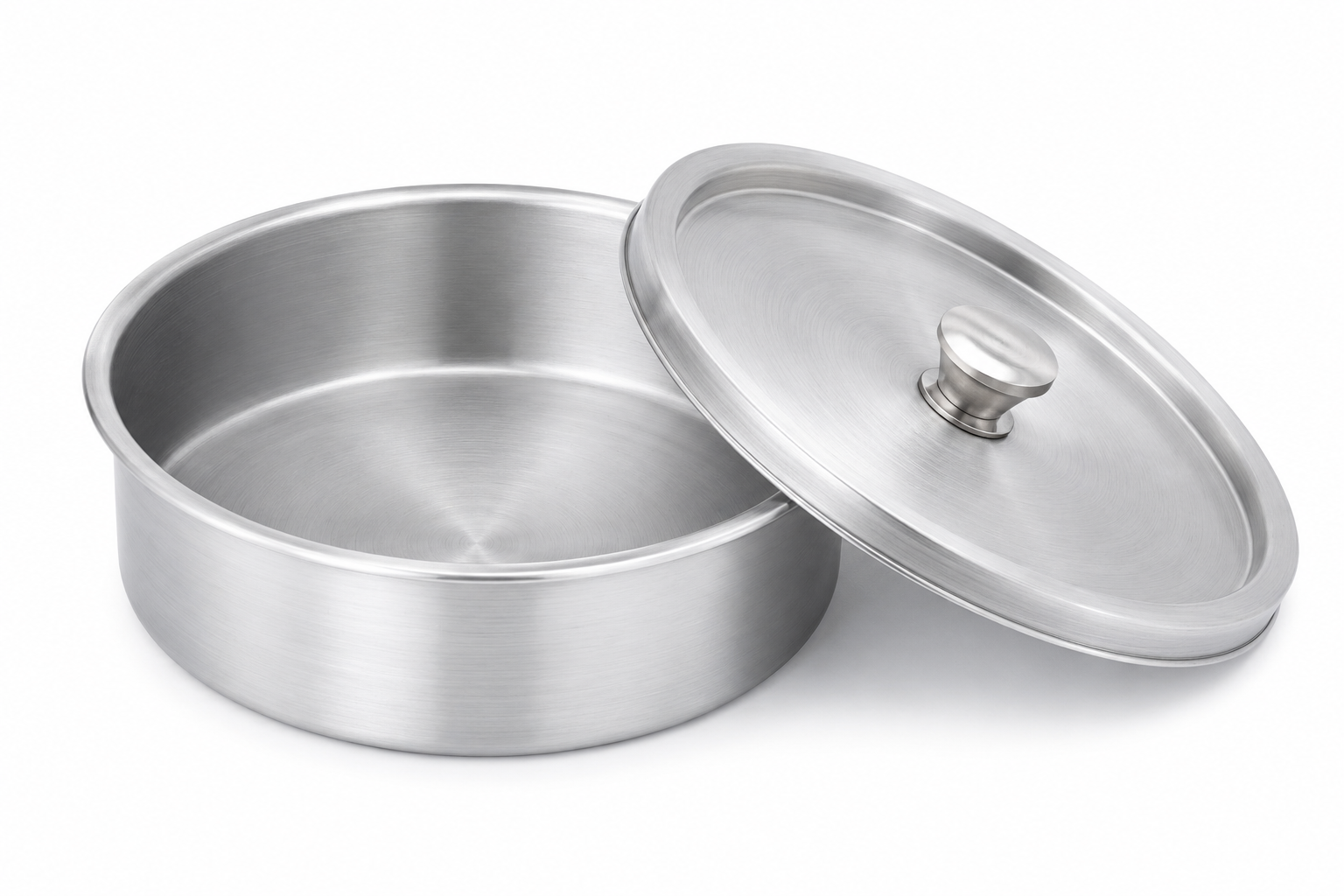
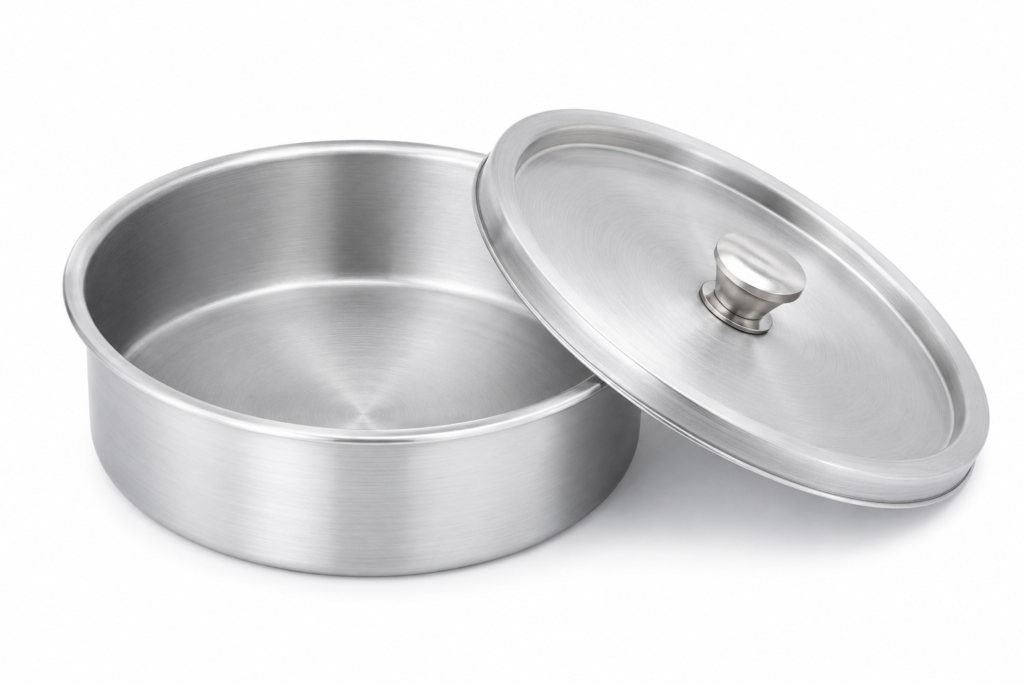
Many buyers source aluminum circle pans with lids as matched sets. The lid is typically formed from a shallower disc of the same alloy and temper. For a 24 cm pan, the matching lid disc is usually 320 mm – 330 mm in diameter and 1.0 mm – 1.5 mm thick. Tempered glass lids require a separate aluminum or stainless rim ring, which must be compatible with the pan flange dimensions.
When ordering aluminum circle pan with lid sets, confirm the following with your supplier:
- Pan and lid disc alloys match (prevents galvanic issues in anodizing)
- Lid disc thickness is sufficient to maintain flatness after forming
- Flange height tolerance is ≤ ±0.3 mm for a reliable seal
Surface Finish Options for Cookware Discs
The surface condition of the aluminum circle plate for cookware directly affects the quality of subsequent coating and anodizing operations.
| Surface Finish | Ra Value | Best For |
|---|---|---|
| Mill finish | 0.4 – 1.6 µm | Base for PTFE spray, economical |
| Brushed (linear) | 0.8 – 2.5 µm | Visible cookware walls, aesthetic |
| Bright rolled | < 0.2 µm | Polished interiors, easy-clean |
| Pre-treated (degreased) | — | Ready for anodizing or coating |
Quality Standards and Testing
Reputable aluminum circle plate suppliers test each batch against recognized standards. Common standards include:
- ASTM B209 – Specification for aluminum and aluminum-alloy sheet and plate
- EN 573-3 – Chemical composition limits for wrought aluminum alloys
- EN 485-2 – Mechanical property requirements
- GB/T 3880 – China national standard for aluminum alloy plate and strip
Each shipment should include a material test report (MTR) certifying alloy composition, mechanical properties, and surface inspection results. For food-contact cookware, suppliers should also provide FDA / LFGB food-safety compliance documentation.
Packaging and Logistics
Aluminum circle plates for cookware are typically packed in one of the following formats:
| Packaging Type | Description | Best For |
|---|---|---|
| Interleaved paper packs | Each disc separated by kraft paper, stacked vertically | Surface-sensitive, polished discs |
| Wooden pallet + stretch wrap | Stacks banded and stretch-wrapped on pallets | Container loading, bulk orders |
| Wooden case | Discs packed in fumigated wooden crates | Export, long-distance sea freight |
| Coil (for blanking at destination) | Aluminum coil, buyer cuts discs in-house | High-volume, continuous production |
Standard sea freight MOQ: 3–5 MT per order. Air freight available for samples and urgent orders (typical sample weight: 5–50 kg).
Price Factors for Aluminum Circle Plates
The price of an aluminum circle plate for cookware depends on several variables. Understanding them helps buyers negotiate accurately.
- LME Aluminum Price – The base metal cost tracks the London Metal Exchange (LME) aluminum cash price plus a regional premium (Midwest premium for the USA, duty-paid premium for Europe).
- Alloy Surcharge – 3003 carries a higher alloy conversion cost than 1050/1060.
- Thickness and Diameter – Thicker and larger discs require more material and more forming passes.
- Surface Finish – Bright rolling and polishing add processing cost.
- Tolerance Requirements – Tight flatness and diameter tolerances increase scrap rates and machining time.
- Order Volume – MOQ and annual volume commitments significantly influence per-unit price.
- Certifications – LFGB, FDA, and third-party lab testing add cost but are mandatory for many import markets.
Why Choose a Direct Manufacturer?
Sourcing aluminum circle plates directly from a manufacturer—rather than a trading company—offers several advantages:
- Price transparency: No middleman markup. Prices are based directly on raw material cost plus processing.
- Technical support: Engineers can advise on alloy selection, temper, and forming parameters for your specific press.
- Custom dimensions: Any diameter and thickness within the mill’s rolling capability.
- Consistent quality: In-house lab testing with full MTR documentation on every batch.
- Flexible MOQ: Established manufacturers often accept lower MOQs for repeat customers.
- Fast lead time: 15–30 days for standard specifications; 7–15 days for stocked items.
Export Markets We Serve
Our aluminum circle plates for cookware ship to manufacturers and distributors in:
Americas: United States, Canada, Mexico, Brazil, Colombia, Chile
Europe: Germany, Italy, France, Netherlands, Poland, Turkey, Spain
Middle East & Africa: Saudi Arabia, UAE, Egypt, South Africa, Nigeria
Asia-Pacific: India, Bangladesh, Vietnam, Thailand, Indonesia, Malaysia, Philippines
Frequently Asked Questions
Q: What is the minimum order quantity for aluminum circle plates? A: Standard MOQ is 3 MT per alloy/temper/thickness combination. Samples (5–100 kg) are available for new customers to test on their forming equipment.
Q: Can you supply aluminum circle pans with lids as finished products? A: Yes. We supply both raw blanks for in-house forming and semi-finished or finished pans with matching lids, depending on customer requirements.
Q: Do you provide food-safety certificates? A: Yes. We provide FDA (USA) and LFGB (EU) food-contact compliance documentation on request.
Q: What is the delivery lead time? A: 15–25 working days for standard orders after receipt of deposit. Expedited production is available for urgent orders.
Q: Can you match a specific diameter not listed in your catalog? A: Yes. Custom diameters from 100 mm to 650 mm are available. Provide the drawing or target blank size and we will confirm feasibility within 24 hours.
Contact Us
Ready to request a quote for aluminum circle plates for cookware? Send us your required alloy, temper, thickness, diameter, and monthly volume. Our team responds within 24 hours with pricing and availability.
We are a direct manufacturer with 15+ years of experience supplying cookware-grade aluminum circle plates to factories across 30+ countries. Let us support your next production run.