Aluminum Circle Plate for Cooker
What Is an Aluminum Circle Plate for Cooker?
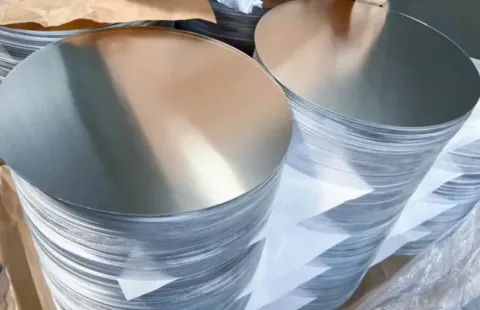
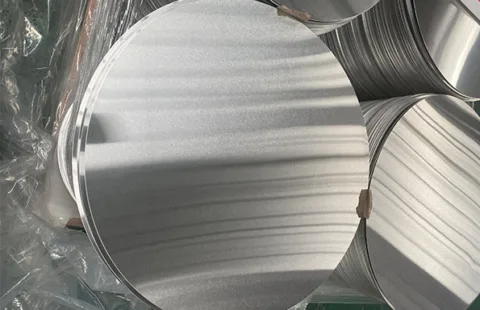
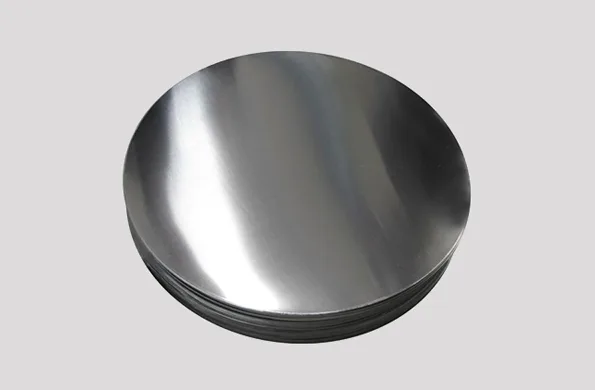
An aluminum circle plate for cooker is a round, flat aluminum disc. Manufacturers use it to produce cookware, rice cookers, pressure cookers, and other kitchen products. The plate starts as a flat aluminum sheet. Then it goes through stamping or spinning processes to become a finished cooking vessel.
These plates are lightweight, strong, and conduct heat well. That makes them a top choice for cookware production worldwide.
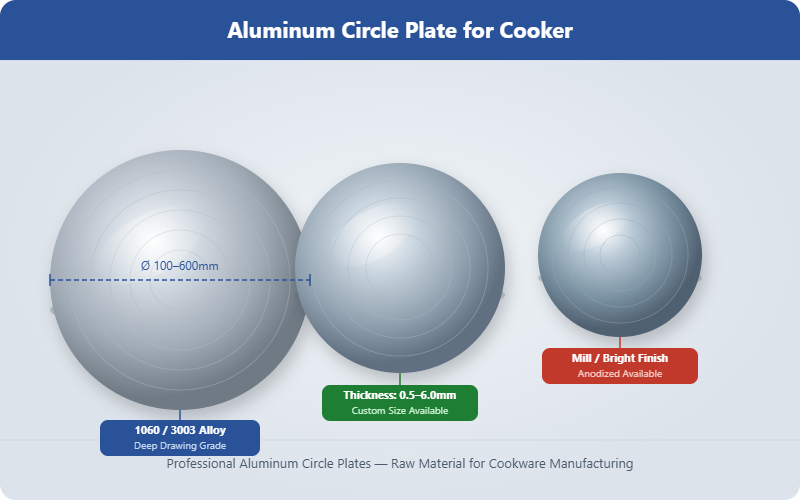
Aluminum circle plates come in many sizes and thicknesses. Common diameters range from 100mm to 600mm. Thickness usually falls between 0.5mm and 6.0mm. Buyers can choose the right size for their specific cooker type.
Why Choose Aluminum Circle Plates for Cookware?
Aluminum is one of the best materials for cookware. Here are the main reasons:
- Excellent heat conductivity – Aluminum spreads heat fast and evenly across the cooking surface.
- Lightweight – Aluminum circle plates are much lighter than stainless steel or cast iron.
- Corrosion resistance – Aluminum resists rust and oxidation naturally.
- Easy to form – Manufacturers can stamp, spin, or draw aluminum circles into complex shapes.
- Cost-effective – Aluminum is more affordable than many other metals.
- Long service life – Properly treated aluminum cookware lasts for many years.
These benefits make aluminum circular plates the preferred raw material for cookware factories around the world.
Common Applications of Aluminum Circle Plates
Aluminum plate cooking products cover a wide range of kitchen items. Here are the most common uses:
Rice Cookers
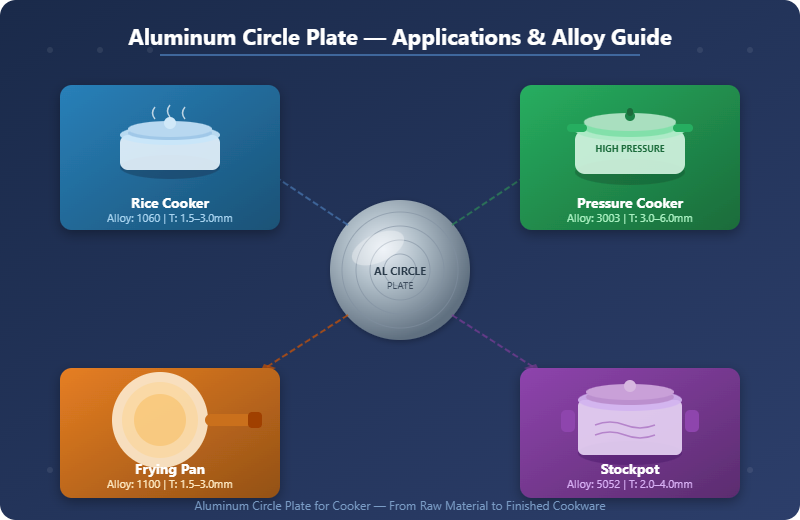
Rice cooker inner pots are one of the most popular uses. The aluminum circle plate for cooker is deep-drawn into a round bowl shape. Then manufacturers add non-stick coating or anodized surface treatment.
Pressure Cookers
Pressure cooker bodies need thick, strong aluminum plates. Thicknesses between 3.0mm and 6.0mm work best. The aluminum circle plate circular shape fits perfectly for round pressure cooker bodies.
Frying Pans and Skillets
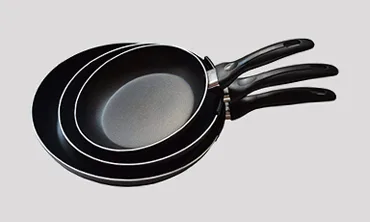
Flat or slightly curved aluminum plates become frying pans. Manufacturers use aluminum plate circular blanks to stamp pan shapes quickly and efficiently.
Soup Pots and Stockpots
Deeper drawing processes turn aluminum circles into tall soup pots. These products are common in commercial kitchens and household use.
Other Cookware Products
- Steamer inserts
- Woks
- Baking pans
- Pizza pans
- Milk pots
Key Specifications of Aluminum Circle Plates for Cookers
Choosing the right aluminum circular plate requires attention to several key specs.
Alloy Grade
The most common alloy grades for cookware are:
| Alloy | Features | Best Use |
|---|---|---|
| 1050 | High purity, soft, easy to form | Simple pots and pans |
| 1060 | Good formability, low cost | Rice cooker inner pots |
| 1100 | Strong corrosion resistance | General cookware |
| 3003 | Higher strength, good for deep drawing | Pressure cookers |
| 3105 | Good formability and strength | Multi-layer cookware |
| 5052 | High strength, excellent corrosion resistance | Commercial cookware |
Temper
- O temper (fully annealed) – Softest and most formable. Best for deep drawing.
- H12, H14 – Slightly harder. Good for shallow drawing or spinning.
Thickness
- 0.5mm – 1.5mm: Thin pans and lids
- 1.5mm – 3.0mm: Standard rice cooker and soup pot
- 3.0mm – 6.0mm: Pressure cooker and commercial cookware
Diameter
- Small: 100mm – 200mm (small pots and cups)
- Medium: 200mm – 400mm (standard household cookware)
- Large: 400mm – 600mm (commercial and industrial cookware)
Surface Finish
- Mill finish (plain)
- Bright finish (polished)
- Anodized surface
- Non-stick coated (after forming)
What Aluminum Alloy Is Best for Cookware?
This is a common question from buyers. The answer depends on the product type.
1060 and 1050 aluminum are the most popular for everyday cookware. They are soft, easy to deep draw, and affordable. Rice cooker inner pots use these alloys most often.
3003 aluminum offers higher strength. Pressure cookers and heavy-duty pots often use 3003 aluminum circle plates. It handles high pressure and high temperature better than pure aluminum alloys.
5052 aluminum works well for commercial cookware. It has the highest strength among common cookware alloys. It also resists saltwater and harsh environments.
For most buyers, 1060 or 3003 aluminum circle plate for cooker is the right choice.
Is Aluminum Alloy Safe for Food?
Yes. Aluminum alloys used in cookware are safe for food contact. Here is why:
- Food-grade aluminum – Cookware manufacturers use food-grade aluminum alloys. These meet international safety standards.
- Anodized coating – Many aluminum circle plates receive anodizing treatment. This creates a hard, non-reactive surface layer. It prevents aluminum from leaching into food.
- Non-stick coating – PTFE or ceramic coatings add another barrier between food and metal.
- Global standards – Aluminum cookware meets FDA, EU, and other international food safety regulations.
Millions of households use aluminum cookware every day without any health issues.
What Is a Cast Aluminum Plate vs. Rolled Aluminum Circle?
Buyers sometimes ask about the difference between cast aluminum and rolled aluminum circle plates.
Cast Aluminum Plate
- Made by pouring molten aluminum into a mold
- Thicker and heavier
- Excellent heat retention
- Used for cast iron-style cookware and griddles
Rolled Aluminum Circle Plate
- Made by rolling aluminum ingots into sheets, then cutting into circles
- Lighter and more uniform in thickness
- Better for deep drawing and stamping
- Used for rice cookers, pots, and pans
Most aluminum circle plates for cookers are rolled aluminum. They offer better formability and more consistent quality. Cast aluminum products serve different market needs.
Surface Treatment Options for Aluminum Circle Plates
Surface treatment improves the performance and appearance of aluminum cookware.
Anodizing
Anodizing creates a hard oxide layer on the aluminum surface. It improves:
- Scratch resistance
- Corrosion resistance
- Food safety
- Surface hardness
Hard anodized cookware is popular in premium markets.
Non-Stick Coating
Factories apply non-stick coating after forming the aluminum circle into a pot or pan shape. Common coatings include:
- PTFE (Teflon)
- Ceramic
- Marble coating
- Granite coating
Polishing
Some aluminum circle plates receive mirror polishing. This gives cookware a shiny, attractive appearance.
Clad (Multi-Layer)
Some premium cookware uses multi-layer aluminum plates. These bond aluminum with stainless steel. The aluminum provides fast heating. The stainless steel provides durability and induction compatibility.
Aluminum Circle Plate Price Guide
The price of aluminum circle plates depends on several factors:
- Alloy grade – Higher alloy grades cost more. 1060 is cheaper than 3003 or 5052.
- Thickness – Thicker plates use more material and cost more per unit.
- Diameter – Larger circles cost more per piece.
- Surface finish – Mill finish is cheapest. Anodized or polished costs more.
- Order quantity – Larger orders get lower per-unit prices.
- Aluminum market price – Raw material costs change with global aluminum prices.
For accurate pricing, contact the manufacturer directly with your specifications. Share the alloy grade, thickness, diameter, surface finish, and quantity.
How to Choose the Right Aluminum Circle Plate for Your Cooker
Follow these steps to pick the best plate for your needs:
Step 1: Identify the product type
Are you making a rice cooker, pressure cooker, frying pan, or stockpot? Each product has different requirements.
Step 2: Choose the alloy
Use 1060 for general pots and rice cookers. Use 3003 for pressure cookers and heavy-duty products. Use 5052 for commercial cookware.
Step 3: Select the thickness
Match the thickness to your product’s wall thickness requirement. Thicker walls need thicker blanks.
Step 4: Pick the diameter
The blank diameter must be large enough to form the final product. Add 20%-30% extra diameter for deep-drawn products.
Step 5: Choose the surface finish
Mill finish works for most applications. Request bright finish if appearance matters.
Step 6: Request samples
Always test samples before placing a large order. Check formability, surface quality, and dimensions.
Quality Standards for Aluminum Circle Plates
Good quality aluminum circular plates must meet strict standards. Check these quality points when ordering:
- Dimensional accuracy – Diameter and thickness within tolerance (±0.1mm or tighter)
- Surface quality – No scratches, oil stains, oxidation spots, or edge burrs
- Flatness – Plates must be flat. Warped plates cause problems during forming.
- Mechanical properties – Tensile strength and elongation must meet alloy standards
- Chemical composition – Alloy content must match specifications
- Edge quality – Clean, smooth edges without cracks or rough cuts
Ask suppliers for mill test certificates (MTC) with each shipment. This confirms the material meets your specifications.
Why Buy Aluminum Circle Plates from a Professional Manufacturer?
Working with a professional manufacturer gives you many advantages:
Consistent Quality
Professional factories use strict quality control at every stage. From raw material to finished plate, quality stays consistent batch after batch.
Custom Sizes Available
Good manufacturers can produce aluminum circle plates in any size you need. Just provide your dimensions and specifications.
Large Production Capacity
Professional factories handle large orders efficiently. They deliver on time without quality drops.
Competitive Pricing
Direct factory pricing is much lower than trading company prices. Buying direct saves money on every order.
Technical Support
Experienced manufacturers help you choose the right alloy, temper, and thickness. They solve technical problems before they become production issues.
Export Experience
Top manufacturers export to Europe, North America, Southeast Asia, the Middle East, and Africa. They handle all export documentation and shipping requirements.
Packaging and Shipping of Aluminum Circle Plates
Proper packaging prevents damage during shipping.
Standard Packaging
- Aluminum circles wrapped in protective paper or film
- Stacked on wooden pallets
- Wrapped with waterproof packing material
- Secured with steel strapping bands
Custom Packaging
Some buyers need special packaging. Manufacturers can provide:
- Individual paper interleaving between plates
- Wooden crates for fragile or polished surfaces
- Custom pallet sizes for specific container types
Shipping Methods
- Sea freight – Best for large orders. Most cost-effective for bulk shipments.
- Air freight – Faster but more expensive. Good for small urgent orders or samples.
- Rail freight – Option for land-connected countries. Good balance of speed and cost.
Standard 20-foot containers hold approximately 20-25 tons of aluminum circle plates. A 40-foot container holds 25-28 tons.
Countries We Export Aluminum Circle Plates To
Our aluminum circle plates for cookers reach customers worldwide:
- Southeast Asia – Vietnam, Thailand, Indonesia, Malaysia, Philippines
- South Asia – Bangladesh, Pakistan, Sri Lanka
- Middle East – Turkey, Iran, Saudi Arabia, UAE
- Africa – Nigeria, Ethiopia, Kenya, Ghana, Egypt
- Europe – Germany, Poland, Italy, Spain
- Americas – Brazil, Mexico, Colombia
We understand the different cookware standards and preferences in each market. Our team helps customers choose the right specifications for their local market.
Frequently Asked Questions
Which aluminum is good for cooking?
1060 and 3003 aluminum alloys are the best choices for cooking products. They are safe, easy to form, and conduct heat well.
What is the aluminum alloy for cookware?
The most common alloys are 1050, 1060, 1100, 3003, and 5052. Each alloy suits different cookware types and applications.
Is aluminum alloy safe for food?
Yes. Food-grade aluminum alloys are safe. Anodized and coated aluminum cookware adds extra protection. It meets international food safety standards.
What is a cast aluminum plate?
A cast aluminum plate is made by pouring molten aluminum into a mold. It is thicker and heavier than rolled aluminum circles. Cookware manufacturers use it for griddles and heavy-duty pans.
What sizes are available for aluminum circle plates?
Diameters range from 100mm to 600mm or more. Thickness ranges from 0.5mm to 6.0mm. Custom sizes are available from professional manufacturers.
Contact Us for Aluminum Circle Plates
We are a professional manufacturer of aluminum circle plates for cookers. Our products serve cookware factories in over 50 countries. We offer:
- Wide range of alloys: 1050, 1060, 1100, 3003, 5052
- Diameter: 100mm – 600mm
- Thickness: 0.5mm – 6.0mm
- Surface: Mill finish, bright finish, anodized
- MOQ: Negotiable based on specifications
- Lead time: 15 – 30 days depending on order size
- Certifications: ISO 9001, SGS, MTC available
Contact our team today for a free quote. Share your specifications and we will respond within 24 hours.